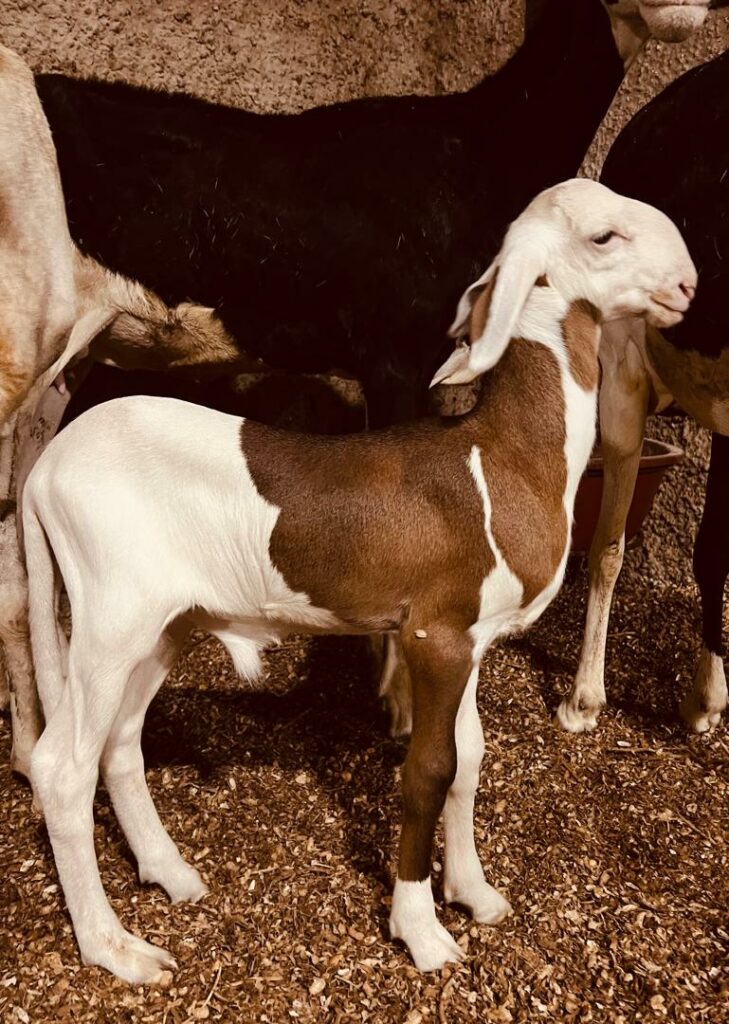
The Ladoum, star sheep of Tabaski in Senegal
Why is the Ladoum the star of Tabaski in Senegal? Prestige, prices — and a little-known reality: elite Ladoums are almost never sacrificed.
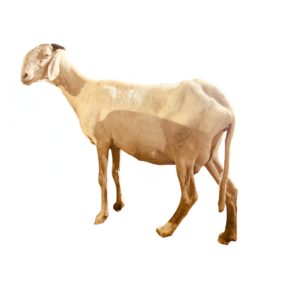
Every year as Tabaski (Eid al-Adha) approaches, Senegal lives to the rhythm of the sheep. On Dakar's markets as in the media, one silhouette towers above all others: the Ladoum — immense, elegant, spectacular.
One misconception deserves correcting: elite Ladoums are almost never sacrificed for Tabaski. A top breeding ram is worth millions — sometimes tens of millions — of FCFA: you don't slaughter it, you breed it. Sacrificed animals are generally other breeds or off-standard Ladoums, while champions pursue their careers in the fold and the show ring.
Tabaski remains the breed's great moment of visibility: the season when farms open their doors, prices are announced and champions are admired. The international press has taken note, from National Geographic to Al Jazeera: the Ladoum has become a national symbol far beyond the religious festival.
Owning a Ladoum in Senegal is a marker of success comparable to a fine car — with an emotional dimension on top: a Ladoum often lives with the family, pampered, washed, trained. That singular bond between owner and animal is what makes the Ladoum far more than a festival sheep.
— The herd in pictures
Facebook →Explore the pedigree database →
Alberto fils de noblesse
Commandante
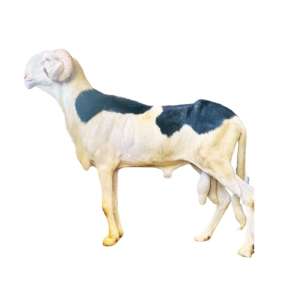
Alou Boy fils de Magal de Kheude
115 cm · Magistrat
Athena fille de Noblesse
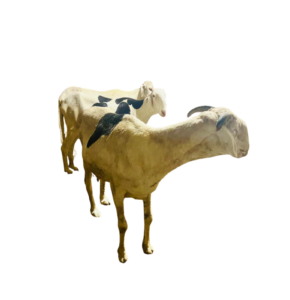
Bec fille de Gold
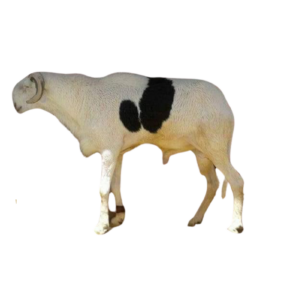
Commandante Fils de Macktoum
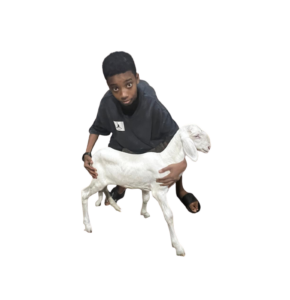
Dina fille de Noblesse
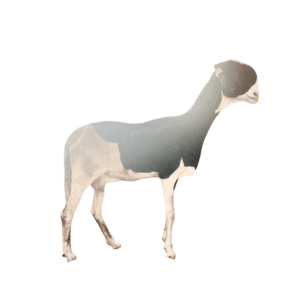
drakkar junior fille de Alou boy
Alou Boy
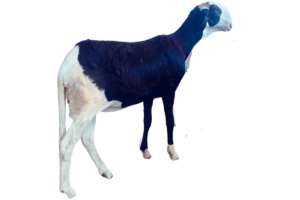
Drakkar Noir fille de Petit Thiouloul
104 cm · Abdou Fall
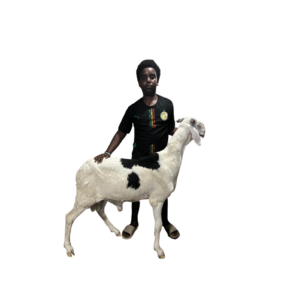
El capitan fils de capitole
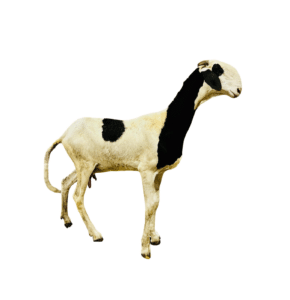
Elyane fille de Noblesse
Alou Boy
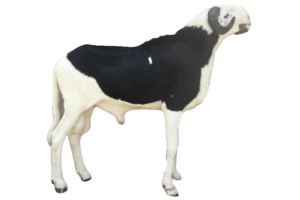
Espoir fils de Saloum
Saloum Saloum
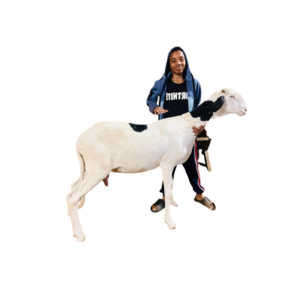
Flora fille de Milky
Magistrat
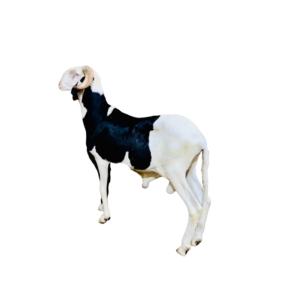
Franklin fils de Napoleon 2
115 cm · Napoléon
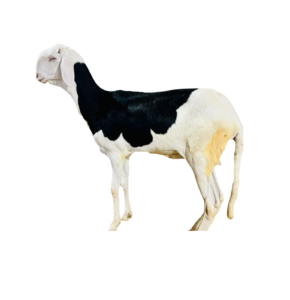
Frankline fille de franklin
Magistrat
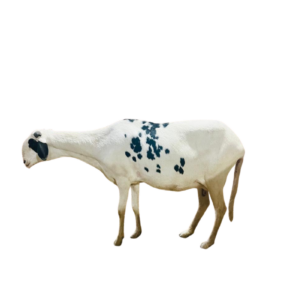
Gaia fille de Hermes
Gina fille de Nguiro
105 cm · Commandante